Technical overview
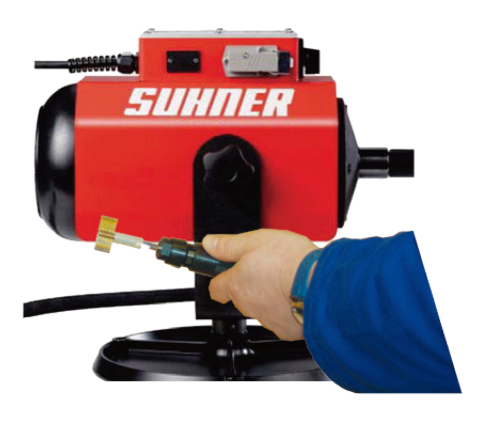
Flap peening is a portable, localized cold-working process in which rotating flexible flaps carrying bonded peening media repeatedly strike a metal surface. The controlled impacts introduce compressive residual stress and can restore fatigue-performance benefits in defined repair areas without placing the component in a conventional peening machine.
Applications and process control
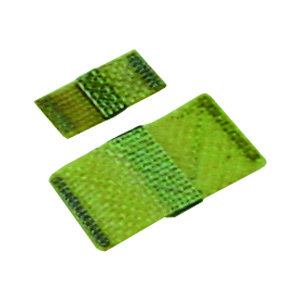
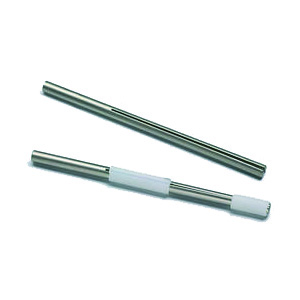
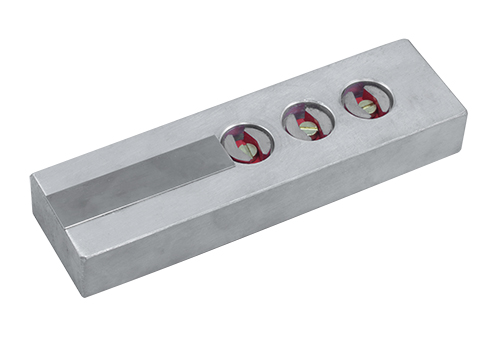
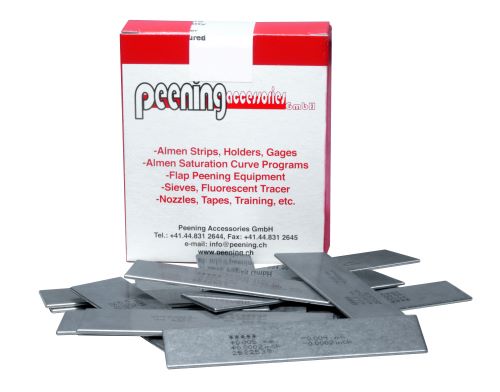
A repeatable flap peening procedure depends on the specified flap assembly, tool speed, working angle, traverse pattern, exposure time and flap condition. Process intensity should be established with compatible Peening (Almen) strips and documented through a saturation curve. Operators must also verify complete treatment of the specified area and replace worn or damaged flaps before they affect results.
- Select the flap assembly and portable tool specified for the material and repair area.
- Verify tool speed and peening intensity before production work.
- Use a saturation curve to establish the required exposure time.
- Control working angle, traverse pattern, coverage and flap condition throughout the operation.